
Hoping nothing happens is not an emergency plan. Every Episcopal congregation needs a written, practiced plan that protects parishioners, staff, volunteers, tenants and visitors—even when the rector and wardens are unavailable.
This practical Anglican Watch guide covers prevention, immediate response, recovery and vestry accountability. Customize it for your facilities, people, state law, local codes and diocesan policies. Do not publish building-specific security vulnerabilities or confidential contact lists.
1. Assign responsibility
The vestry should adopt a written emergency plan, name a coordinator and alternate, and review outstanding deficiencies at least annually. Include clergy, wardens, ushers, children’s ministry, property staff, outside building users, and people with disabilities in planning. A designated leader must have authority to initiate protective measures even when the rector is unavailable.
- Keep a current contact and responsibilities roster with alternates.
- Record decisions, corrective actions, owners and deadlines in vestry records.
- Give after-hours occupants appropriate emergency instructions.
2. Assess hazards
Evaluate fire, smoke, carbon monoxide, weather, flooding, extreme heat or cold, structural failures, utilities, medical incidents, threats of violence, missing children, cyber incidents, fraud, and safeguarding disclosures. Evaluate all worship, classroom, office, outdoor and community-use spaces.
- Seek input from the fire department, emergency management, insurer and disability-access specialists.
- Correct urgent defects immediately; keep the longer-term risk register current.
3. Evacuate and shelter safely
Provide primary and alternate exits, accessible evacuation arrangements, safe assembly points and procedures for counting occupants. Plans for children must include sign-in records and release only to authorized caregivers. Identify hazard-appropriate shelter areas; a tornado shelter is not necessarily suitable for another emergency.
- Keep exits operable, illuminated, marked and clear; never obstruct required egress to improve security.
- Tell firefighters about missing occupants and last-known locations; do not reenter until authorized.
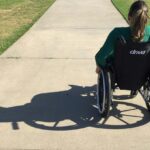
- Ask people with disabilities what support they need rather than improvising during a crisis.
4. Respond to medical emergencies
Call 911 for life-threatening emergencies. Provide first-aid equipment, consider an automated external defibrillator (AED) and bleeding-control supplies, and arrange cardiopulmonary resuscitation (CPR), AED and first-aid training. Ensure responders can find the patient quickly.
- Inspect supplies, AED batteries and pads routinely.
- Assign someone to call emergency services and someone to meet responders.
- Follow dispatcher instructions and act within your training.
5. Active shooter and armed-assailant incidents
Develop a building-specific response plan with local law enforcement. The FBI’s options-based approach is Run, Hide, Fight: escape when safe; hide when escape is unsafe; defend yourself only as a last resort against imminent danger. A blanket lockdown can be dangerous if it prevents escape along a safe route.
- Run: Leave by a safe route, abandon belongings and call 911 when safe.
- Hide: Move out of view, lock or barricade doors when possible, silence devices and follow police instructions.
- Fight: Use available means to defend yourself only as a last resort when directly threatened.
- Plan for classrooms, children, mobility needs, visitors, alarms and after-hours occupants.
- On police arrival, keep hands visible and empty, follow instructions and do not interfere.
- Afterward, prioritize medical care, family reunification, evidence preservation and trauma-informed support.
6. Request local police assistance
Many police and sheriff’s departments offer security surveys, crime-prevention consultations, active-shooter preparedness training and tabletop exercises for houses of worship, sometimes without charge. Contact the agency serving your parish; ask whether its community-policing, crime-prevention or school-and-faith-community liaison staff can help.
- Invite responders to become familiar with building access, exits and occupancy patterns.
- Ask for a written assessment when available; assign owners and dates for corrective action.
- Restrict circulation of sensitive building vulnerabilities and access arrangements.
- Use age-appropriate, trauma-informed drills; avoid surprise gunfire simulations or exercises that could be mistaken for real attacks.
7. Safeguard children and vulnerable adults
Integrate the plan with the parish’s Safe Church policies and state reporting requirements. Provide child-accounting and reunification arrangements. When abuse or criminal misconduct is suspected, take protective action, report to civil authorities when required, and follow applicable diocesan and Title IV procedures.
- Preserve evidence and do not conduct amateur investigations.
- Offer trauma-informed pastoral response without pressuring complainants.
- Never treat an abuse allegation merely as a reputation-management problem.
8. Prepare for worship and events
Assign roles for contacting emergency services, giving clear instructions, opening usable exits, checking classrooms, helping people with disabilities and meeting responders. Visitors and community groups may not know the layout. Ensure every service and event has trained coverage.
- Do not delay evacuation to save church property or liturgical objects.
- Provide written after-hours instructions to outside organizations.
9. Manage property and extended outages
Maintain accessible records of shutoffs, alarms, sprinklers, contractors, utilities, hazardous areas and authorized access. Plan for heat, cold, water, communications and power failures, and alternatives for essential ministry.
- Never use combustion generators indoors or near openings.
- Do not send volunteers into structurally unsafe or contaminated buildings.
- Review insurance, alternate space and continuity arrangements.
10. Protect records and online operations
Maintain tested backups of essential documents, a secure way for authorized officers to access accounts, multifactor authentication and continuity procedures for payroll, banking and insurance. Limit access to confidential pastoral and personnel records.
- Test restoration rather than assuming backups work.
- Plan for cyberattacks and fraudulent transactions as well as physical disasters.
11. Media relations and public communications
Designate a spokesperson, alternate and statement-approval process in advance. An initial statement can acknowledge a confirmed incident, identify verified protective steps and provide an official information channel without speculating about motive, injuries or responsibility. Use the parish website as the authoritative location for updates, supplemented by email, phone, texts and social media.
- Protect minors, injured people, complainants, families, private medical details and investigative integrity.
- Route reporters to the spokesperson; provide a safe briefing location away from emergency operations.
- Correct significant misinformation promptly; do not retaliate against critics or intimidate witnesses.
- Coordinate with civil authorities and the diocese without surrendering reporting duties or independent accountability.
- If leadership is implicated, appoint an unconflicted spokesperson. Legal review is not a license to conceal harm.
12. Continue ministry and care
Make arrangements for temporary worship, offices, pastoral care, community meals and other vital ministries. Coordinate with neighboring congregations, the diocese, insurers and community organizations. Recovery includes people as well as property.
- Do not pressure victims to speak publicly, forgive or participate in reconciliation.
- Review decisions and corrective actions after the incident.
13. Train, practice and revise
Orient new staff and volunteers; hold periodic drills and tabletop exercises; check equipment and train for medical and security response. Review the complete plan annually and after material changes or incidents.
- Plan inclusive, trauma-informed exercises rather than frightening participants.
- Document findings and ensure the vestry follows up.
Implementation: first 90 days
First 30 days: Appoint coordinator and alternate; inspect exits and urgent hazards; confirm emergency numbers, assembly points and basic medical and fire procedures.
By 60 days: Complete the risk assessment; obtain local police input about security surveys and active-shooter training; coordinate with children’s programs, outside users and the insurer; draft communications and continuity procedures.
By 90 days: Approve the written plan, train responsible personnel, run an initial exercise and assign deadlines for deficiencies.
Annual vestry checklist
- ☐ Written plan approved, dated and reviewed; coordinator and alternates named.
- ☐ Exit routes, alarms, extinguishers and required safety systems inspected.
- ☐ Accessible evacuation, shelter, children’s reunification and after-hours plans established.
- ☐ Medical supplies, AED if provided, and responder training checked.
- ☐ Police consulted about security assessment, active-shooter preparedness and response coordination.
- ☐ Run/Hide/Fight options and staff communication practices reviewed.
- ☐ Crisis spokesperson and alternate named; victim privacy and media procedures documented.
- ☐ Safe Church reporting and protective duties incorporated.
- ☐ Community users and outside organizations briefed.
- ☐ Backups, insurance, continuity arrangements and emergency contact lists checked.
- ☐ Drill/tabletop exercise completed; deficiencies assigned and tracked.
Example initial media statement
We are aware of a serious incident at our church and are cooperating with appropriate emergency responders and authorities. Our immediate priority is the safety and well-being of everyone affected. We will provide verified updates through our official parish communications channels as information becomes available, while respecting the privacy of those involved.
Use this statement only when it accurately reflects the facts and actual response.
Related Anglican Watch resources
See our Episcopal church and school security, church accessibility and child sexual abuse prevention guides.
Sources
- FBI active shooter quick reference — Run, Hide, Fight guidance and instructions when officers arrive.
- CISA: Protecting houses of worship — Federal guidance on assessing physical security risks.
- OSHA emergency action plans — Workplace emergency planning standards where applicable.
- Episcopal Relief & Development — Disaster preparedness and recovery materials for faith communities.
- The Episcopal Church — Denominational safeguarding and clergy disciplinary resources.
- Ready.gov — General preparedness, emergency alerts and disaster planning.
Reviewed November 18, 2026. General guidance only; local law, building codes, professional assessments and diocesan policy govern specific implementations.